Flexography and rotogravure: complementary technologies
Our printing technologies
Flexography and rotogravure.
Two technologies, more possibilities.
Every project has different needs. With both flexography and rotogravure, we can choose the process according to the artwork, paper, format and run length while keeping the desired result at the centre.
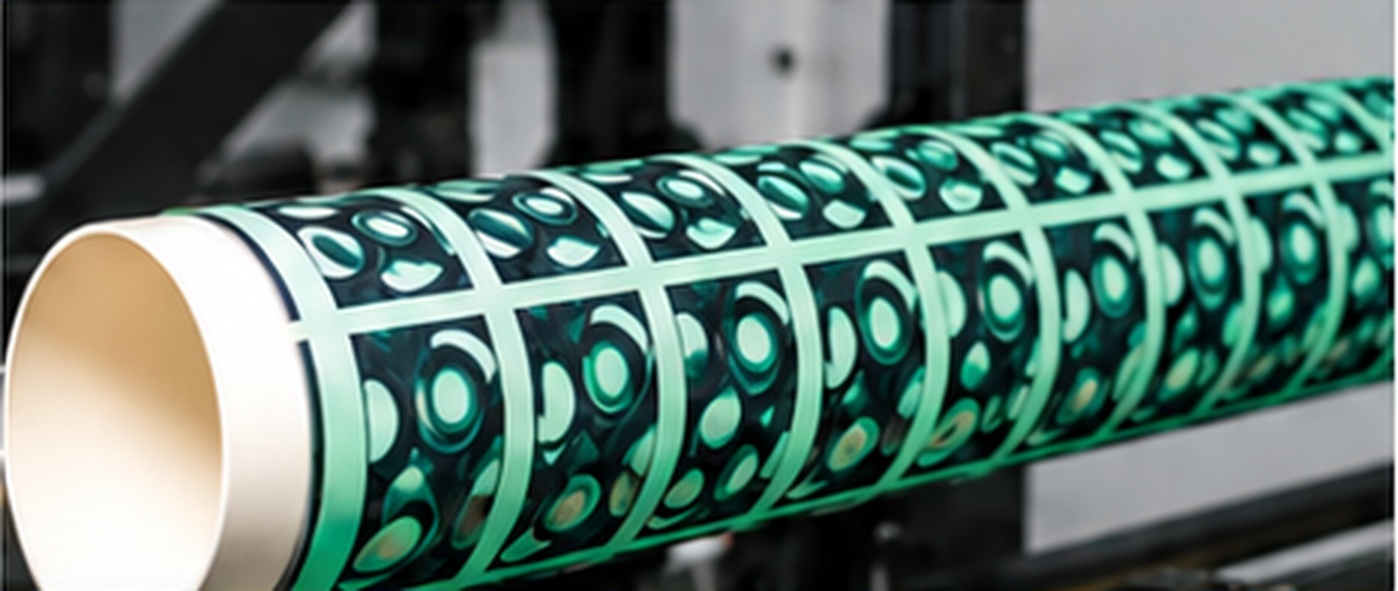
01 / Flexography
Flexibility and precision
Our new eight-colour flexographic line handles web widths up to 1,300 mm and uses water-based inks. It is particularly well suited to short and medium production runs, thanks to greater production flexibility and lower printing-tool costs compared with rotogravure cylinders. Photopolymer plates mounted on sleeves, together with prepress presets and automatic register control, enable efficient job preparation, shorter start-up times and a significant reduction in start-up waste.
8 colours · up to 1,300 mm · water-based inks
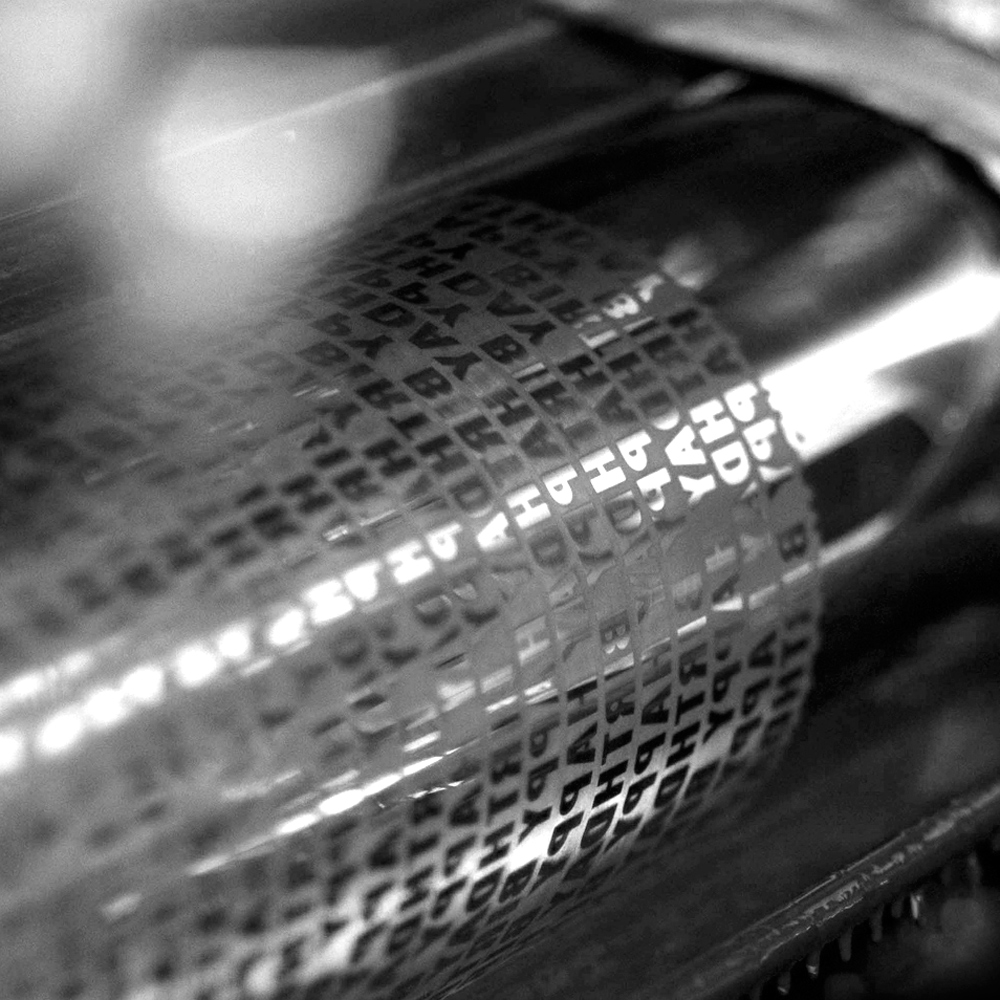
02 / Rotogravure
Print quality and consistency
Our six-colour rotogravure line uses engraved cylinders and solvent-based inks on web widths up to 1,000 mm. Engraved-cylinder technology ensures excellent print stability and consistency, making rotogravure particularly well suited to long production runs and repeat orders. The line also features UV printing and can print both sides of the web in a single production run using an integrated web-turning system.
6 colours · up to 1,000 mm · engraved cylinders
A choice guided by the project
How we choose the right technology
Together we review the substrate, artwork, number of colours, quantity and finished format. We can then propose the process that serves the project and its production needs without limiting it to one technology.
Paper and substrate
Artwork and finish
Quantity and format
From prepress to printing, one connected workflow
Prepress connects plate preparation to production. Automatic mounting and registration and impression presets reduce start-up waste by 80% compared with the previous process.
Explore flexography and prepress